
The Seasons Are Predictable. The Weather Inside Them Is Not.
A planting calendar built on average last frost dates is one of the most reliable tools in gardening, built from decades of recorded data and genuinely useful for planning a season.
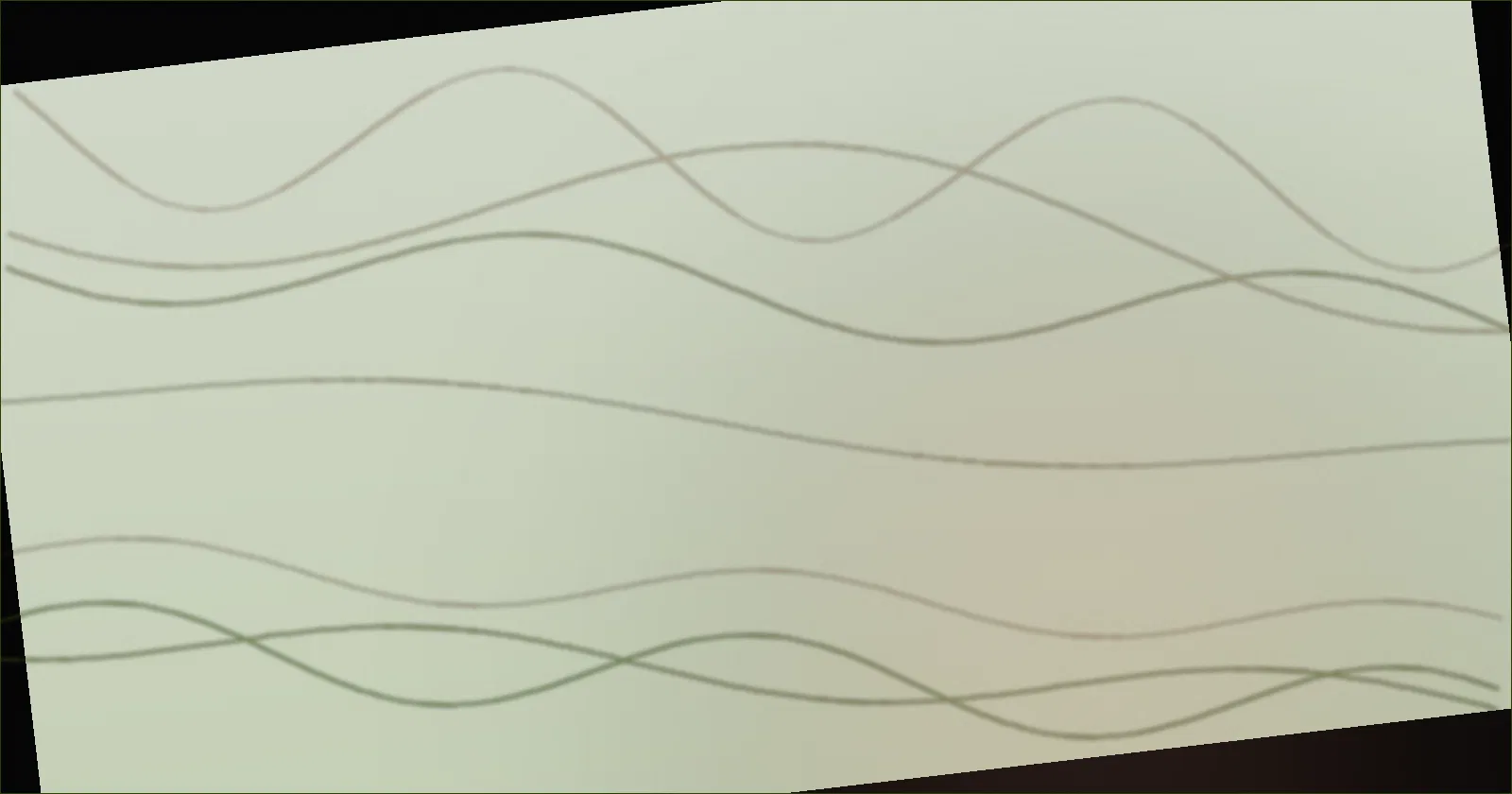
A planting calendar built on average last frost dates is one of the most reliable tools in gardening, built from decades of recorded data and genuinely useful for planning a season. And yet the actual frost date in any given year can still surprise you by two or three weeks in either direction. Both of these things are true at once, and understanding why clarifies a distinction that matters well beyond gardening.
What makes the seasonal calendar a real pattern
Seasons repeat because of a fixed, physical mechanism, the tilt of the planet relative to the sun, which produces the same cycle of light and temperature every single year without exception. A planting calendar built from decades of recorded average frost dates reflects a genuine, documented, repeatable pattern. You can check it against historical records, compare it region by region, and expect the broad shape of it, spring warming into summer, summer cooling into fall, to hold every year without fail. That reliability is earned, not assumed.
What makes this year's specific weather unpredictable
Inside that reliable seasonal shape sits a huge amount of year to year noise. A late cold snap, an early heatwave, an unusually wet spring, these are not failures of the seasonal pattern, they are the actual randomness that climate systems contain even while the underlying cycle stays regular. Knowing that spring reliably follows winter tells you almost nothing about whether this specific April will have a frost on the fifteenth or the thirtieth. The pattern is real. The specific outcome inside it is not something anyone can reliably predict more than a few days out.
Confusing the two leads to bad decisions in both directions
Some gardeners ignore the calendar entirely because last year's frost date was different from the average, treating the reliable pattern as if it were worthless just because a specific instance of it varied. Others treat a single season's outcome as proof the calendar is broken, when a single data point was never going to match a multi-decade average exactly. The useful approach holds both ideas at once: trust the calendar for planning purposes, and still keep row cover handy because this particular year's actual weather remains genuinely unpredictable regardless of what the average says.
The same split shows up in anything involving cycles and chance
This exact distinction, a real documented cycle versus pure unpredictable variance inside it, applies far beyond weather. Tides are a real, physically predictable cycle. The specific wave that knocks someone off their feet is not. Tax deadlines are a documented, repeatable calendar event. The exact amount you will owe depends on a year of unpredictable income. Even something purely built on chance, like a lottery draw or a dice roll on a site like ankertoto, has a documented, predictable structure around it, when the draw happens, what the odds of each outcome are, while the specific number that comes up remains genuinely random no matter how it is studied. Mistaking the predictable frame for predictability of the outcome inside it is the same error in every one of these cases.
Using this distinction to plan better
The practical move for a gardener is to use documented, repeatable patterns for the big decisions, when to start seeds indoors, roughly when to expect the last frost, what the season's general shape will look like, and keep flexible, low-cost insurance for the unpredictable part, frost cloth, a willingness to delay transplanting a week if the forecast looks rough, a backup planting of fast-growing crops in case an early batch gets hit. Respecting both halves of the pattern, the reliable cycle and the genuine randomness riding on top of it, produces far better outcomes than pretending either half does not exist.
Planning for both halves of the pattern at once
A gardener who respects both the reliable cycle and the real randomness inside it ends up with a calendar that looks less like a fixed schedule and more like a set of ranges with built in flexibility. Seeds get started indoors within a window, not on one fixed day. Row cover stays within reach for the weeks around the average frost date, not just packed away the moment the calendar says spring has arrived. That flexibility is not indecision, it is an accurate response to a system that genuinely contains both a dependable cycle and real year to year variance layered on top of it.
Gardeners who have been at this for decades tend to talk about a given year in exactly these terms, noting that the season overall ran close to normal while a specific week in April threw everyone off with an unexpected cold snap. That kind of language reflects an accurate mental model, one that trusts the long-run pattern without expecting every single year to behave identically to the average, which is exactly the balance worth aiming for.
More in Games
 Games
How Online Number Games Keep Players Thinking in Patterns
Number based online games have quietly become one of the most played genres on the internet, from daily guessing puzzles to...
 Games
What Online Terrarium Games Teach About a Low Waste Home
Terrarium games hand you a jar, some moss, a little soil, and then ask you to keep the whole thing alive with almost nothing...
 Games
What Online Tea House Games Teach About Brewing Herbs for Wellness
Online tea house games lean into a quiet, almost meditative loop: gather leaves, blend them, steep with care, and serve...